
What Is Acute Kidney Injury? Causes, Symptoms, Diagnosis and Treatment
Acute Kidney Injury (AKI) is a sudden decline in kidney function that develops within a few hours or days. When the kidneys cannot filter waste products and excess fluid effectively, harmful substances may accumulate in the bloodstream. This condition can affect people of any age and may become serious without timely medical attention. Understanding the causes, warning signs, and treatment options for acute kidney injury is essential for protecting kidney health and preventing complications.
Understanding Acute Kidney Injury
The kidneys perform several important functions, including removing waste, maintaining fluid balance, regulating electrolytes, and supporting blood pressure control. Acute kidney injury occurs when these functions suddenly become impaired. Unlike chronic kidney disease, which generally develops gradually, AKI can appear rapidly following illness, dehydration, infection, or reduced blood flow to the kidneys.
Some individuals recover kidney function completely with appropriate treatment, while others may experience persistent kidney problems. Early identification and medical care can significantly influence recovery.
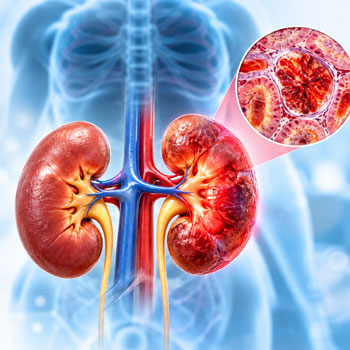
What Causes Acute Kidney Injury?
Acute kidney injury can develop for several reasons. Doctors generally classify its causes into three categories based on how kidney function is affected.
Reduced Blood Flow to the Kidneys
Severe dehydration, significant blood loss, heart-related conditions, or dangerously low blood pressure can reduce blood circulation to the kidneys. Without sufficient blood supply, the kidneys may struggle to filter waste efficiently.
Direct Damage to Kidney Tissue
Serious infections, inflammation, certain medications, and exposure to harmful substances can damage kidney tissue. Some autoimmune disorders and kidney-related diseases may also interfere with normal filtration.
Blockage of Urine Flow
Kidney stones, an enlarged prostate, or urinary tract obstructions can prevent urine from leaving the body normally. Prolonged blockage may increase pressure within the urinary system and affect kidney function.
Common Symptoms of Acute Kidney Injury
The symptoms of acute kidney injury vary depending on the underlying cause and severity. Some patients may experience noticeable changes, while others have no obvious symptoms during the early stages.
- Reduced urine output or changes in urination patterns
- Swelling in the legs, ankles, or feet
- Unusual tiredness, weakness, or fatigue
- Nausea, vomiting, or reduced appetite
- Shortness of breath due to fluid accumulation
- Confusion or difficulty concentrating
- Muscle weakness associated with electrolyte imbalance
These symptoms are not exclusive to kidney disease. However, sudden changes in urination, severe weakness, breathing difficulties, or confusion require prompt medical evaluation.
How Is Acute Kidney Injury Diagnosed?
Diagnosing acute kidney injury involves reviewing medical history, assessing symptoms, and performing appropriate investigations. Blood tests help measure creatinine levels and evaluate kidney filtration. Urine tests may identify abnormalities that suggest infection, inflammation, or kidney damage.
Doctors may also monitor urine output and recommend kidney ultrasound imaging when urinary obstruction or structural problems are suspected. Comparing current test results with previous kidney function reports helps determine whether the condition developed recently.
Treatment Options for Acute Kidney Injury
Treatment depends on the underlying cause and the severity of kidney dysfunction. Patients with dehydration may require carefully managed fluid replacement, while those with infections may need appropriate medication. Doctors may adjust medicines that affect kidney function and correct dangerous electrolyte imbalances.
If a urinary obstruction is present, relieving the blockage may help restore normal drainage. Severe cases may require temporary dialysis to manage waste accumulation, excess fluid, or dangerous electrolyte disturbances while the kidneys recover.
How to Reduce the Risk of Acute Kidney Injury
Maintaining adequate hydration, managing diabetes and high blood pressure, and avoiding unnecessary use of potentially kidney-harming medications can help reduce certain risks. People with existing kidney problems should seek medical guidance during illnesses involving vomiting, diarrhea, or dehydration.
Regular kidney function monitoring may be especially important for individuals with diabetes, hypertension, heart disease, or previous kidney complications.
Protect Your Kidney Health With Timely Medical Care
Acute kidney injury is a potentially serious condition, but timely diagnosis and appropriate treatment can improve the chances of recovery. Recognizing warning signs, identifying underlying causes, and following medical advice are important steps toward protecting long-term kidney function. If you notice sudden urinary changes, swelling, or unexplained weakness, consult a qualified kidney specialist or nephrologist for proper evaluation.