
What Is Chronic Kidney Disease? Causes, Symptoms, Stages, and Kidney Care
Chronic Kidney Disease (CKD) is a long-term health condition in which the kidneys gradually lose their ability to filter waste products and excess fluids from the blood. Healthy kidneys maintain the body's fluid balance, regulate essential minerals, support blood pressure control, and help produce red blood cells. When kidney function declines, waste substances may accumulate in the bloodstream and affect overall health.
Chronic Kidney Disease often develops silently, with few noticeable symptoms during its early stages. Understanding its causes, warning signs, and management strategies can help individuals protect their kidney health and reduce the risk of complications.
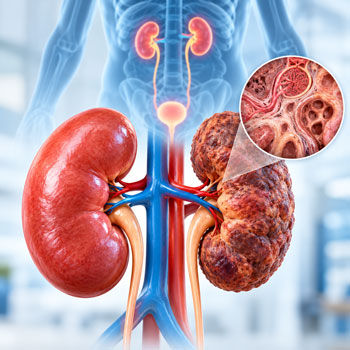
What Causes Chronic Kidney Disease?
Several medical conditions can damage the kidneys over time. Diabetes and high blood pressure are among the leading causes of CKD. Persistently elevated blood sugar can damage the kidneys' filtering structures, while uncontrolled blood pressure can weaken the blood vessels supplying the kidneys.
Other possible causes include:
- Glomerulonephritis, which causes inflammation of the kidney's filtering units.
- Polycystic kidney disease, an inherited condition involving fluid-filled cysts.
- Repeated kidney infections or prolonged urinary tract obstruction.
- Autoimmune disorders that affect kidney tissues.
- Long-term or excessive use of certain pain medications.
- Structural abnormalities affecting the kidneys or urinary tract.
People with diabetes, hypertension, cardiovascular disease, or a family history of kidney problems may have an increased risk of developing CKD.
Early Signs and Symptoms of Chronic Kidney Disease
Kidney disease may progress without obvious warning signs. As kidney function decreases, symptoms can become more noticeable. Common symptoms include:
- Persistent tiredness, weakness, or reduced energy.
- Swelling around the feet, ankles, hands, or face.
- Changes in urination frequency or appearance.
- Foamy urine caused by increased protein leakage.
- Reduced appetite, nausea, or unexplained weight loss.
- Difficulty concentrating or sleeping.
- Muscle cramps and persistent skin itching.
- Shortness of breath associated with fluid retention or anemia.
These symptoms can also occur with other medical conditions. Proper evaluation is essential to identify their underlying cause.
Understanding the Five Stages of Chronic Kidney Disease
CKD is classified into five stages according to the estimated glomerular filtration rate (eGFR), which measures how effectively the kidneys filter blood.
- Stage 1: Normal or high eGFR of 90 or above, with evidence of kidney damage.
- Stage 2: Mildly reduced eGFR between 60 and 89, with evidence of kidney damage.
- Stage 3: Moderately reduced kidney function, with eGFR between 30 and 59.
- Stage 4: Severely reduced kidney function, with eGFR between 15 and 29.
- Stage 5: Kidney failure, generally involving an eGFR below 15.
CKD diagnosis generally requires kidney abnormalities to persist for at least three months. Urine albumin levels also help determine disease severity and future risk.
How Is Chronic Kidney Disease Diagnosed?
Doctors evaluate kidney health using blood tests, urine examinations, medical history, and physical assessments. Serum creatinine testing helps estimate kidney filtration capacity. A urine albumin-to-creatinine ratio identifies abnormal protein leakage, which may indicate kidney damage.
Additional investigations, including kidney ultrasound, may help identify structural abnormalities or urinary obstruction. Regular testing is particularly important for individuals with diabetes or high blood pressure.
Managing Chronic Kidney Disease and Protecting Kidney Health
Although established chronic kidney damage is often irreversible, appropriate treatment can slow disease progression and reduce complications. Management depends on the underlying cause, kidney function, and individual health requirements.
Important kidney care measures include maintaining healthy blood pressure, controlling blood glucose, limiting excess dietary sodium, following individualized nutrition recommendations, exercising regularly, and avoiding smoking. Patients should also avoid unnecessary use of medications that may harm kidney function.
Some individuals require prescribed medicines to control blood pressure, reduce urinary protein loss, or manage complications. Advanced kidney failure may require dialysis or kidney transplantation, depending on symptoms, laboratory findings, and overall health.
When Should You Consult a Kidney Specialist?
Consulting a nephrologist is important when kidney function declines, urine protein levels remain elevated, or persistent swelling and urinary abnormalities occur. Individuals with existing kidney disease should follow their recommended monitoring schedules.
Early identification, consistent medical care, and healthy lifestyle choices can help preserve remaining kidney function. Taking kidney health seriously today supports better long-term well-being and reduces the likelihood of preventable complications.