
What Is Pregnancy Kidney Disease? Causes, Symptoms, and Kidney Care During Pregnancy
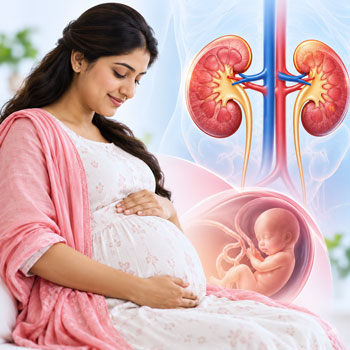
Pregnancy kidney disease refers to kidney problems that develop during pregnancy or existing kidney conditions that may worsen while a woman is pregnant. The kidneys play an essential role in filtering waste, maintaining fluid balance, and regulating blood pressure. During pregnancy, these organs work harder to support the changing needs of both mother and baby.
How Does Pregnancy Affect Kidney Function?
Pregnancy naturally increases blood flow to the kidneys and changes how they filter waste. While these adjustments are normal, certain conditions can affect kidney function. Women with chronic kidney disease, high blood pressure, diabetes, or previous kidney complications may require closer monitoring throughout pregnancy.
Kidney-related complications can also develop in women without a previous history of kidney disease. Early identification and appropriate medical care are important for protecting maternal and fetal health.
Common Causes of Kidney Problems During Pregnancy
Several conditions may contribute to kidney complications during pregnancy, including:
- Chronic kidney disease present before pregnancy.
- Preeclampsia, a pregnancy complication associated with high blood pressure and possible organ damage.
- Urinary tract infections that spread to the kidneys.
- Acute kidney injury caused by severe dehydration, infection, or other complications.
- Diabetes and hypertension affecting kidney health.
Warning Signs of Pregnancy Kidney Disease
Kidney problems during pregnancy may not always produce noticeable symptoms. However, certain warning signs require medical attention:
- Swelling of the face, hands, or legs, particularly when sudden.
- High blood pressure or persistent headaches.
- Changes in urination or reduced urine output.
- Blood in the urine or discomfort while urinating.
- Fever, back pain, or pain near the kidneys.
- Unusual fatigue or difficulty breathing.
Some symptoms overlap with normal pregnancy changes, making professional evaluation essential. Severe headache, visual disturbances, breathing difficulty, or sudden swelling require urgent assessment.
Diagnosis and Kidney Health Monitoring
Doctors may recommend blood pressure monitoring, urine protein testing, kidney function blood tests, and ultrasound examinations when appropriate. These assessments help identify complications and guide treatment decisions.
Protecting Kidney Health During Pregnancy
Maintaining regular prenatal appointments, managing blood pressure, following medical advice about fluid intake, and avoiding medications without professional guidance can support kidney health. Women with existing kidney disease should receive coordinated care from an obstetrician and nephrologist.
Timely diagnosis, individualized treatment, and consistent monitoring can help reduce complications and support a healthier pregnancy for both mother and baby.