
What Is Diabetes? Understanding Its Impact on Kidney Health
Diabetes is a long-term health condition that develops when the body cannot produce enough insulin or use insulin effectively. Insulin is a hormone that helps glucose enter the body's cells for energy. When this process does not work properly, glucose builds up in the bloodstream, resulting in high blood sugar levels. Over time, uncontrolled diabetes can affect several organs, including the kidneys, heart, eyes, and nerves.
Understanding the connection between diabetes and kidney health is important for preventing complications. People living with diabetes can benefit from regular kidney assessments and timely consultation with a Nephrologist in Gudivada when kidney-related concerns arise.
How Does Diabetes Affect the Kidneys?
The kidneys filter waste products and excess fluid from the blood while maintaining the body's balance of essential minerals. Each kidney contains tiny filtering units called nephrons, which help remove unwanted substances through urine.
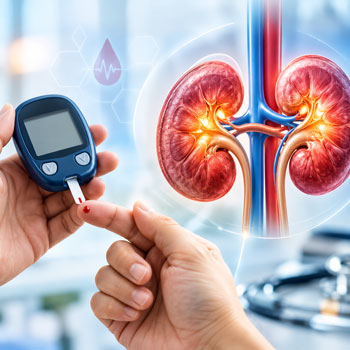
Persistently high blood sugar can damage the small blood vessels within these filtering units. This damage may gradually reduce the kidneys' ability to function effectively. Kidney damage associated with diabetes is commonly known as diabetic kidney disease or diabetic nephropathy.
Diabetic kidney disease often develops slowly and may not produce noticeable symptoms during its early stages. Regular screening is therefore essential, even when a person with diabetes feels healthy.
Types of Diabetes and Their Connection to Kidney Disease
Type 1 Diabetes
Type 1 diabetes occurs when the immune system attacks the insulin-producing cells in the pancreas. People with this condition require insulin treatment. Long-term blood sugar management plays an important role in reducing the risk of kidney complications.
Type 2 Diabetes
Type 2 diabetes develops when the body becomes resistant to insulin or cannot produce sufficient insulin. It is the most common form of diabetes and is associated with several risk factors, including family history, excess body weight, and physical inactivity. Poorly controlled Type 2 diabetes can increase the likelihood of kidney damage.
Early Warning Signs of Diabetic Kidney Disease
Kidney damage caused by diabetes may progress without obvious symptoms. As kidney function declines, some individuals may experience:
- Swelling in the feet, ankles, or legs
- Foamy urine caused by increased protein levels
- Unusual tiredness or weakness
- Changes in urination patterns
- High blood pressure
- Reduced appetite or nausea in advanced stages
These symptoms can occur for several reasons and do not necessarily indicate kidney disease. A medical evaluation is needed to determine the underlying cause.
Why Are Kidney Tests Important for People With Diabetes?
Routine kidney screening helps identify changes before significant symptoms appear. Doctors commonly recommend blood tests to estimate kidney filtration function and urine tests to detect albumin, a protein that may indicate kidney damage.
Two important assessments include the estimated glomerular filtration rate (eGFR) and urine albumin-to-creatinine ratio (UACR). These tests help healthcare professionals evaluate kidney health and determine whether additional monitoring or treatment is necessary.
How Can People With Diabetes Protect Their Kidneys?
Maintaining healthy blood sugar and blood pressure levels can help reduce the risk of diabetic kidney disease. Important preventive measures include following prescribed medications, choosing balanced meals, reducing excessive salt intake, exercising regularly, avoiding tobacco, and attending scheduled medical appointments.
People should also avoid unnecessary use of painkillers that may harm kidney function and discuss medications with their healthcare provider.
When Should You Consult a Nephrologist in Gudivada?
A kidney specialist may be recommended when urine tests reveal persistent protein leakage, kidney filtration levels decline, or blood pressure becomes difficult to control. Early specialist evaluation can help identify the severity of kidney involvement and guide appropriate care.
Individuals seeking a Kidney Hospital in Gudivada should prioritize comprehensive kidney evaluation, diabetes-related kidney screening, and individualized treatment guidance.
Take Care of Your Kidney Health
Diabetes management involves more than controlling blood sugar. Protecting kidney function is equally important for long-term health. Regular testing, consistent treatment, and healthy daily habits can help lower the risk of complications. If you have diabetes or concerns about kidney function, consult a qualified healthcare professional for appropriate evaluation and guidance.