
What Is Hypertension? Understanding High Blood Pressure and Kidney Health
Hypertension, commonly known as high blood pressure, is a long-term health condition in which the pressure of blood against artery walls remains consistently elevated. It is a major risk factor for heart disease, stroke, and chronic kidney disease. Because hypertension often develops without noticeable symptoms, many people may be unaware that their blood pressure is higher than normal.
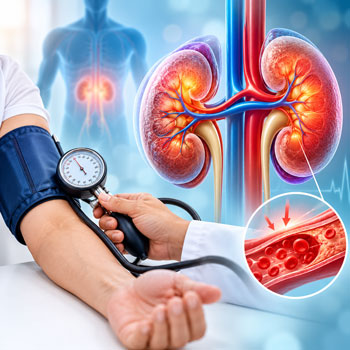
The kidneys play an important role in controlling blood pressure by regulating fluid levels, sodium balance, and hormones. When blood pressure remains high for a prolonged period, it can damage the delicate blood vessels inside the kidneys and gradually affect their ability to filter waste from the blood.
What Causes Hypertension?
Hypertension can develop due to several lifestyle, genetic, and medical factors. Common contributing factors include excessive salt consumption, obesity, physical inactivity, smoking, excessive alcohol intake, family history, and increasing age.
Medical conditions such as diabetes, chronic kidney disease, and certain hormonal disorders can also contribute to elevated blood pressure. In some individuals, hypertension develops without a single identifiable cause, while others experience high blood pressure due to an underlying medical condition.
How Does Hypertension Affect the Kidneys?
The kidneys contain millions of tiny filtering structures that remove waste products and excess fluid from the bloodstream. These structures depend on healthy blood vessels to function properly.
Uncontrolled hypertension can damage these vessels, reducing the kidneys' filtering efficiency. Over time, this damage may contribute to chronic kidney disease and, in severe cases, kidney failure.
Kidney disease can also increase blood pressure because damaged kidneys may struggle to maintain normal fluid and sodium balance. This creates a harmful cycle in which hypertension and kidney damage can worsen each other.
Common Symptoms of Hypertension
Hypertension is frequently called a silent condition because it usually causes no obvious warning signs. Some people with severely elevated blood pressure may experience headaches, blurred vision, or other symptoms, but these are not reliable indicators of hypertension.
Regular blood pressure monitoring is the most dependable way to identify elevated readings. A diagnosis generally requires repeated measurements, and the thresholds used may vary according to clinical guidelines and individual circumstances.
Who Is at Greater Risk of Kidney Damage?
People living with diabetes, existing kidney disease, obesity, or a family history of hypertension may face a greater risk of complications. Older adults and individuals with consistently uncontrolled blood pressure also require careful monitoring.
Kidney damage may progress without noticeable symptoms. Healthcare professionals may recommend blood tests to measure creatinine and estimate kidney function, along with urine tests to detect albumin, a protein that can indicate kidney damage.
How to Manage Hypertension and Protect Kidney Health
Managing blood pressure is essential for maintaining healthy kidney function. Effective prevention and management strategies include:
- Reducing excess salt and highly processed foods.
- Eating a balanced diet with appropriate nutritional guidance.
- Maintaining a healthy body weight.
- Participating in regular physical activity.
- Avoiding smoking and limiting alcohol consumption.
- Monitoring blood pressure as recommended.
- Taking prescribed medications consistently.
- Managing diabetes and other existing health conditions.
People with chronic kidney disease may need individualized dietary recommendations, including adjustments to sodium, potassium, or fluid intake depending on their medical condition.
When Should You Consult a Kidney Specialist?
Individuals with persistent hypertension, abnormal kidney function tests, protein in the urine, or difficulty controlling blood pressure should seek medical evaluation. A nephrologist can assess kidney health, identify possible complications, and recommend appropriate treatment.
Severely elevated blood pressure accompanied by chest pain, breathing difficulty, sudden weakness, or vision changes requires immediate emergency medical attention.
Conclusion
Hypertension is a common but potentially serious condition that can gradually damage the kidneys when left uncontrolled. Understanding the connection between high blood pressure and kidney health encourages early detection, regular monitoring, and timely treatment. Maintaining healthy habits and following professional medical advice can help protect kidney function and reduce long-term complications.