
What Is Nephrotic Syndrome? Understanding This Kidney Condition
Nephrotic syndrome is a kidney condition that occurs when the tiny filtering units in the kidneys, called glomeruli, become damaged and allow excessive protein to leak into the urine. Healthy kidneys filter waste and extra fluids from the blood while retaining essential proteins. When this filtering process is disrupted, it can lead to swelling, changes in urination, and other health complications.
What Causes Nephrotic Syndrome?
Nephrotic syndrome can develop due to diseases affecting the kidneys directly or medical conditions that damage kidney function. Common causes include:
- Minimal change disease, particularly in children.
- Focal segmental glomerulosclerosis (FSGS), which causes scarring in kidney filters.
- Membranous nephropathy, affecting the filtering membranes.
- Diabetes-related kidney damage.
- Autoimmune disorders such as lupus.
- Certain infections and medications.
Identifying the underlying cause is essential for selecting appropriate treatment and protecting kidney health.
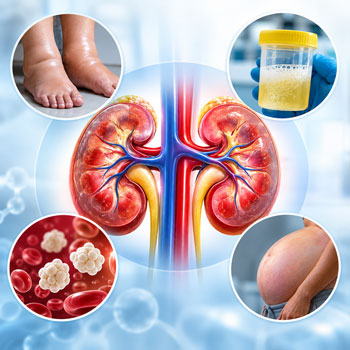
Common Symptoms of Nephrotic Syndrome
Symptoms may develop gradually or appear suddenly, depending on the underlying kidney disorder. Important warning signs include:
- Swelling around the eyes, ankles, feet, or legs.
- Foamy urine caused by excessive protein loss.
- Unexpected weight gain due to fluid retention.
- Persistent tiredness or weakness.
- Reduced appetite and general discomfort.
- Swelling in the abdomen in some cases.
Persistent swelling or unusual urine changes should be evaluated by a healthcare professional.
How Is Nephrotic Syndrome Diagnosed?
Doctors assess symptoms, medical history, and laboratory findings to diagnose nephrotic syndrome. Urine tests measure protein loss, while blood tests evaluate albumin levels, cholesterol, and kidney function. Additional investigations, including kidney ultrasound or kidney biopsy, may be recommended depending on the patient's condition.
Treatment and Kidney Care
Treatment focuses on controlling protein loss, reducing swelling, managing complications, and addressing the underlying disease. Depending on the diagnosis, doctors may prescribe medications to control blood pressure, reduce fluid retention, or regulate immune system activity.
Patients may also benefit from reducing dietary sodium, following individualized nutrition advice, maintaining prescribed medications, and attending regular kidney function assessments. Treatment decisions should always be guided by a qualified nephrologist.
Why Early Kidney Evaluation Matters
Untreated nephrotic syndrome can increase the risk of blood clots, infections, and declining kidney function. Early recognition and consistent medical care can help manage symptoms and reduce complications.
If you experience persistent swelling, foamy urine, or unexplained fluid retention, consult a kidney specialist for proper evaluation. Timely diagnosis, appropriate treatment, and regular follow-up are important steps toward maintaining kidney health and improving long-term outcomes.