
What Is Glomerulonephritis? Causes, Symptoms, Diagnosis, and Treatment
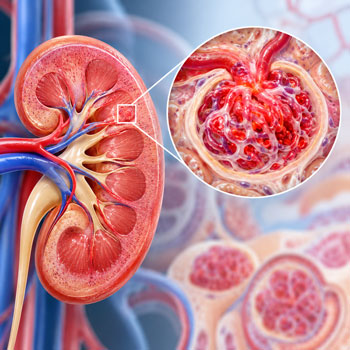
Glomerulonephritis is a kidney condition that causes inflammation of the glomeruli, the tiny filtering units inside the kidneys. These filters help remove waste, excess fluids, and unwanted substances from the blood while retaining essential proteins and blood cells. When inflammation damages the glomeruli, kidney function may become impaired, potentially leading to serious health complications if left untreated.
What Causes Glomerulonephritis?
Glomerulonephritis can develop due to several underlying conditions. It may occur suddenly, known as acute glomerulonephritis, or progress gradually over time, called chronic glomerulonephritis.
Common causes include:
- Immune system disorders affecting kidney tissues.
- Infections, including certain bacterial and viral infections.
- Autoimmune diseases such as lupus.
- IgA nephropathy, which involves immune deposits in the kidneys.
- Vasculitis, causing inflammation of blood vessels.
- Inherited conditions affecting kidney filtration.
In some patients, the exact cause remains unknown.
Common Symptoms of Glomerulonephritis
Symptoms vary depending on the severity and progression of kidney inflammation. Some individuals may experience noticeable changes, while others develop symptoms gradually.
- Blood in urine, causing pink, red, or brown discoloration.
- Foamy urine due to excess protein leakage.
- Swelling around the eyes, face, feet, or ankles.
- High blood pressure.
- Reduced urine output.
- Persistent tiredness and weakness.
- Fluid retention and unexplained weight gain.
Recognizing these warning signs and seeking medical evaluation can help identify kidney problems before significant damage develops.
How Is Glomerulonephritis Diagnosed?
A nephrologist evaluates symptoms, medical history, and kidney function to diagnose glomerulonephritis. Recommended investigations may include urine tests to detect blood and protein, blood tests to assess kidney function, and imaging examinations to evaluate kidney structure.
In selected cases, a kidney biopsy may be necessary to identify the type of inflammation and determine appropriate treatment.
Treatment and Kidney Care
Glomerulonephritis treatment depends on its underlying cause, severity, and effect on kidney function. Management may involve medications to control blood pressure, reduce protein loss, or regulate immune system activity.
Doctors may also recommend limiting dietary sodium, managing fluid intake when necessary, and monitoring kidney function regularly. Severe kidney impairment may require dialysis.
Why Early Kidney Evaluation Matters
Untreated glomerulonephritis can cause progressive kidney damage, chronic kidney disease, and eventually kidney failure in some patients. Early diagnosis, appropriate treatment, and consistent follow-up may help preserve kidney function and reduce complications.
If you notice blood in your urine, persistent swelling, or unusual changes in urination, consult a qualified nephrologist for proper kidney evaluation and personalized medical guidance.