
What is Nephrology?
Kidneys are essential organs that work continuously to maintain the body's internal balance. They remove waste products, regulate fluid levels, support blood pressure control, and help maintain important minerals in the bloodstream. When kidney function becomes affected, it can influence several aspects of overall health. Nephrology is the medical specialty dedicated to understanding, diagnosing, treating, and managing conditions related to kidney function.
People experiencing kidney-related symptoms or managing long-term health conditions may benefit from consulting a qualified Nephrologist in Gudivada. Understanding the role of nephrology can help individuals recognize potential kidney problems, seek appropriate medical attention, and make informed decisions about their health.
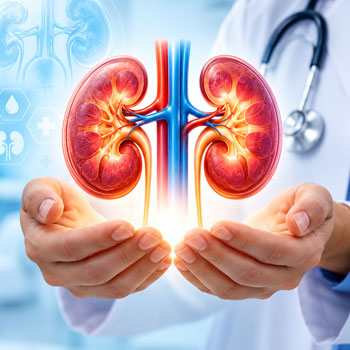
Understanding of Nephrology?
Nephrology is a branch of internal medicine that focuses on the structure, function, and diseases of the kidneys. It includes evaluating how effectively the kidneys filter blood, maintain electrolyte balance, and remove excess fluid from the body.
A doctor specializing in this field is known as a nephrologist. Nephrologists assess kidney function, investigate abnormalities in blood and urine tests, and develop treatment plans for various kidney disorders. Their responsibilities also include managing complications associated with reduced kidney function and helping patients protect their remaining kidney health.
Nephrology care is particularly important because certain kidney diseases can develop gradually without causing noticeable symptoms during their early stages.
Why Are Kidneys Important for Overall Health?
The kidneys are two bean-shaped organs located toward the back of the abdomen, on either side of the spine. Although relatively small, they perform several vital functions necessary for maintaining good health.
Removal of Waste Products
The kidneys filter waste substances produced through normal body processes. These substances are removed through urine, helping prevent their excessive accumulation in the bloodstream.
Regulation of Body Fluids
Kidneys maintain an appropriate balance of water and salts. When this balance becomes disturbed, individuals may experience swelling, dehydration, or changes in blood pressure.
Blood Pressure Regulation
The kidneys help control blood pressure through fluid regulation and hormonal mechanisms. Kidney disease and high blood pressure can influence each other, making regular monitoring important.
Maintenance of Electrolyte Balance
Minerals such as sodium, potassium, calcium, and phosphorus are essential for normal body functions. The kidneys help regulate their levels to support muscles, nerves, and other organs.
Support for Red Blood Cell Production
Healthy kidneys produce erythropoietin, a hormone that stimulates red blood cell production. Reduced kidney function can contribute to anemia in some patients.
Common Kidney Diseases Managed by a Nephrologist
Kidney disorders can affect people of different ages and may arise from diabetes, high blood pressure, infections, inherited conditions, or other medical causes. A Nephrologist in Gudivada can evaluate patients with suspected kidney disease and recommend appropriate management based on their medical needs.
Chronic Kidney Disease (CKD)
Chronic kidney disease occurs when kidney structure or function remains abnormal for more than three months. Diabetes and hypertension are among its leading causes. Early identification and consistent medical management may help slow disease progression.
Acute Kidney Injury (AKI)
Acute kidney injury involves a sudden decline in kidney function. It may occur due to severe dehydration, infections, certain medications, reduced blood flow, or other illnesses. Prompt evaluation is important because some cases require urgent treatment.
Diabetic Kidney Disease
Persistently elevated blood sugar can damage the kidneys' filtering structures over time. People with diabetes should undergo kidney function and urine albumin assessments as recommended by their healthcare provider.
Hypertension-Related Kidney Disease
Uncontrolled high blood pressure can damage the blood vessels supplying the kidneys. Managing blood pressure is an important part of preserving kidney function and reducing cardiovascular risks.
Glomerulonephritis
Glomerulonephritis refers to inflammation or injury affecting the glomeruli, which are the kidneys' filtering units. It may cause protein or blood in the urine, swelling, and reduced kidney function.
Electrolyte Disorders
Abnormal sodium or potassium levels can occur with kidney disease, medications, or other medical conditions. Some electrolyte disturbances can become serious and require immediate assessment.
Warning Signs That May Indicate Kidney Problems
Kidney diseases do not always produce obvious warning signs. However, certain physical changes may indicate the need for medical evaluation.
- Swelling around the feet, ankles, legs, or face.
- Persistent changes in urination frequency or quantity.
- Foamy urine that may indicate excess protein.
- Blood appearing in the urine.
- Unexplained tiredness or reduced energy levels.
- Persistent nausea or reduced appetite.
- Difficulty controlling blood pressure.
- Abnormal kidney function results during routine testing.
These symptoms can occur for several reasons and do not necessarily confirm kidney disease. A medical assessment is needed to identify their underlying cause. Sudden severe reduction in urination, breathlessness, or significant swelling warrants urgent medical attention.
When Should You Consult a Nephrologist in Gudivada?
Consulting a Nephrologist in Gudivada may be appropriate when kidney function tests show abnormalities or when an existing medical condition increases the risk of kidney damage.
People with diabetes, long-standing hypertension, a family history of kidney disease, persistent protein in the urine, or previously diagnosed kidney disorders may require specialist evaluation.
A nephrologist can also assess patients experiencing repeated electrolyte abnormalities, unexplained changes in kidney function, or complications related to chronic kidney disease.
Timely consultation helps determine whether additional investigations, medications, dietary adjustments, or ongoing monitoring are necessary.
How Are Kidney Diseases Diagnosed?
Kidney evaluation generally begins with a review of medical history, symptoms, medications, and existing health conditions. A physical examination and appropriate diagnostic tests help determine kidney function and identify possible abnormalities.
Blood Tests
Blood creatinine measurements are commonly used to estimate the glomerular filtration rate (eGFR), an important indicator of kidney filtering capacity. Additional tests may assess electrolytes and other relevant health parameters.
Urine Examination
Urine tests can identify protein, blood, or other abnormalities. A urine albumin-to-creatinine ratio may help detect kidney damage, particularly in individuals with diabetes or hypertension.
Ultrasound Examination
Kidney ultrasound may be recommended to evaluate kidney size, structural abnormalities, urinary obstruction, or other findings requiring further investigation.
Kidney Biopsy
In selected cases, a nephrologist may recommend a kidney biopsy to examine a small sample of kidney tissue. This procedure can help identify specific kidney diseases and guide treatment decisions.
Kidney Disease Treatment and Management
Treatment depends on the type of kidney disorder, its severity, the patient's overall health, and the underlying cause. A Kidney Hospital in Gudivada may provide kidney-related consultations, diagnostic evaluation, and treatment services according to its available facilities and clinical expertise.
Medical management may involve controlling blood pressure, improving diabetes management, addressing fluid imbalances, reviewing medications, and treating conditions contributing to kidney damage.
Some patients benefit from individualized dietary recommendations involving sodium, protein, potassium, or fluid intake. These adjustments should be based on kidney function, laboratory results, and professional medical advice rather than unnecessary general restrictions.
Patients with advanced kidney failure may require dialysis when their kidneys can no longer adequately remove waste products or maintain fluid and electrolyte balance. A nephrologist evaluates the need for dialysis and discusses suitable treatment options based on the patient's condition.
Understanding the Role of Dialysis in Nephrology
Dialysis is a treatment that helps remove waste products and excess fluid when kidney function becomes severely impaired. It may be required temporarily in certain cases of acute kidney injury or as ongoing treatment for some patients with advanced chronic kidney disease.
Hemodialysis uses a dialysis machine and filter to clean the blood. Peritoneal dialysis uses the lining of the abdomen as a natural filtering membrane with specially prepared dialysis fluid.
Not every patient with kidney disease needs dialysis. The decision depends on symptoms, laboratory findings, complications, and the overall clinical condition rather than a single test result.
How to Maintain Healthy Kidneys
Maintaining kidney health involves managing existing medical conditions and following practical daily habits. Preventive care is especially important for people at increased risk of kidney disease.
- Monitor blood pressure and manage hypertension appropriately.
- Maintain recommended blood sugar levels if you have diabetes.
- Follow a balanced diet and limit excessive salt consumption.
- Maintain suitable hydration according to individual health needs.
- Engage in regular physical activity appropriate for your condition.
- Avoid unnecessary use of painkillers and unverified herbal remedies.
- Stop smoking and maintain a healthy body weight.
- Undergo kidney screening when recommended by your doctor.
People with established kidney disease may require specific dietary and fluid restrictions. Therefore, personal medical recommendations should take priority over general health advice.
Choosing Appropriate Kidney Care in Gudivada
When looking for a Kidney Hospital in Gudivada, patients should consider access to qualified medical professionals, suitable diagnostic services, clear communication, and continuity of care.
Kidney diseases often require follow-up appointments and periodic testing. A healthcare provider who reviews changes in kidney function, monitors treatment response, and coordinates care for associated conditions can support long-term disease management.
It is also important to understand which services are available at a particular hospital and whether referral to another specialist or medical facility may be necessary.
The Importance of Regular Nephrology Follow-Up
Regular follow-up allows doctors to monitor kidney function, evaluate changes in symptoms, review medications, and identify potential complications. Follow-up frequency varies depending on disease severity, underlying medical conditions, and individual risk factors.
For patients with chronic kidney disease, ongoing monitoring can help guide treatment adjustments and support informed decisions about future care. Coordination between nephrologists, primary care physicians, diabetologists, and other specialists may also be beneficial.
Protecting Kidney Health Through Awareness and Timely Care
Nephrology plays an essential role in diagnosing, treating, and managing diseases that affect kidney function. From identifying early abnormalities to supporting patients with complex kidney disorders, specialist care contributes to better-informed treatment decisions and long-term health management.
Understanding kidney warning signs, managing diabetes and hypertension, and undergoing appropriate screening can help individuals take an active role in protecting their kidneys.
If you are experiencing kidney-related symptoms or have abnormal kidney test results, consulting a qualified Nephrologist in Gudivada can help determine the next steps. When selecting a Kidney Hospital in Gudivada, prioritize qualified clinical care, appropriate services, and consistent medical follow-up.